120 MPH vs 160 MPH Leaf Blowers: Which Should You Buy?
As an Amazon Associate we earn from qualifying purchases. Links on this page are affiliate links.
You are looking at the 120 MPH vs 160 MPH leaf blower debate to find the right tool for your yard. Both units are cordless handheld models with brushless motors, ensuring reliable power delivery. The main difference lies in their voltage platforms and output strength. One offers a lighter, more portable design, while the other provides significantly higher air speed and volume for tougher jobs. Choosing between them depends on your battery ecosystem and how much force you need.
Key differences
| Aspect | Milwaukee M18 FUEL Brushless Handheld Blower | RYOBI 40V Brushless 650 CFM Blower |
|---|---|---|
| Voltage | 18V | 40V |
| Air Speed | 120 MPH | 160 MPH |
| Air Volume | 450 CFM | 650 CFM |
| Weight | 6.7 pounds | 14.3 pounds |
| Length | 23.5 inches | 39.6 inches |
Which one should you choose?
Choose Milwaukee M18 FUEL Brushless Handheld Blower if
- You already own Milwaukee M18 batteries and want a lightweight tool for quick cleanup.
- You prefer a compact handheld blower that is easier to maneuver in tight spaces.
- You need a blower under 7 pounds to reduce fatigue during extended use.
Choose RYOBI 40V Brushless 650 CFM Blower if
- You need maximum air speed and volume to move wet leaves or heavy debris.
- You are part of the RYOBI 40V HP ecosystem and want to share batteries.
- You prioritize raw power output over portability and do not mind a heavier unit.
Verdict: The Milwaukee model suits users who value portability and are already invested in the 18V platform. The RYOBI option is better for those needing serious blowing power and who already use 40V batteries. Your choice depends on whether you prioritize weight savings or raw air movement.
Comparing Air Speed and Power
Air Speed
Air speed determines how forcefully the blower moves debris. The RYOBI 40V Brushless 650 CFM Blower reaches 160 MPH. This higher velocity helps lift wet leaves and push heavy piles with less effort. The Milwaukee M18 FUEL Brushless Handheld Blower tops out at 120 MPH. While sufficient for dry grass clippings and light dust, it lacks the raw force for dense, wet clutter. If you frequently deal with damp autumn leaves or thick mulch, the higher MPH of the RYOBI model provides a clear advantage in clearing speed and efficiency.
Air Volume
Air volume, measured in cubic feet per minute (CFM), indicates the total amount of air moved. The RYOBI unit delivers 650 CFM. This higher volume moves larger quantities of debris in a single pass. The Milwaukee blower offers 450 CFM. While still capable, it moves less air overall. For clearing wide driveways or large lawns, the higher CFM of the RYOBI means you cover more ground faster. The Milwaukee is adequate for smaller patios or decks where precision matters more than volume.
Voltage Platform
Voltage affects runtime and power availability across a tool ecosystem. The Milwaukee operates on an 18V platform. This is a common standard for many cordless tools, offering a balance of power and weight. The RYOBI uses a 40V system. Higher voltage generally supports more demanding tasks and longer runtime under load. If you already own 40V RYOBI batteries, this tool integrates seamlessly. If your existing gear is 18V, the Milwaukee fits your current setup without needing new battery investments.
Weight
Weight impacts comfort during extended use. The Milwaukee weighs 6.7 pounds. This lighter build reduces fatigue when holding the tool overhead or for long periods. The RYOBI weighs 14.3 pounds. This significant difference makes the Milwaukee much easier to maneuver and hold steady. For users with limited strength or those who plan to blow for an hour or more, the lighter Milwaukee is the more comfortable choice. The heavier RYOBI may cause arm strain during prolonged sessions.
Dimensions
Physical size affects storage and handling in tight spaces. The Milwaukee measures 23.5 inches in length, 11 inches in width, and 7.5 inches in height. Its compact form factor fits easily into small toolboxes or tight garage corners. The RYOBI is much larger at 39.6 inches long, 11.5 inches wide, and 11.2 inches high. The increased length and height make the RYOBI harder to store in confined areas. The Milwaukee’s smaller footprint is better for users with limited storage space.
Choose the right blower for your needs
Users needing maximum power for wet leaves
The RYOBI model delivers 160 MPH air speed and 650 CFM volume. This combination provides superior force for heavy debris. The 40V platform supports higher output than the 18V system. You will move wet leaves and thick piles more efficiently. The brushless motor ensures consistent performance during demanding tasks.
Users prioritizing lightweight and compact handling
The Milwaukee blower weighs 6.7 pounds and measures 23.5 inches long. It is significantly lighter and shorter than the RYOBI unit. This makes it easier to hold for extended periods. The 120 MPH speed is sufficient for dry leaves and grass clippings. You benefit from reduced fatigue and better maneuverability in tight spaces.
Users already invested in the 18V battery system
This tool uses the Milwaukee M18 FUEL 18-volt platform. If you own compatible batteries, you can use them with this blower. The RYOBI requires a separate 40V battery system. Sharing batteries across tools saves money and reduces clutter. You get reliable brushless performance without buying a new power source.
Quick picks
| # | Product | Best for | Price |
|---|---|---|---|
| 1 | Milwaukee M18 FUEL Brushless Handheld Blower | Users with existing 18V battery systems | Check price of Milwaukee M18 FUEL Brushless Handheld Blower on Amazon |
| 2 | RYOBI 40V Brushless 650 CFM Blower | Heavy debris cleanup with existing batteries | Check price of RYOBI 40V Brushless 650 CFM Blower on Amazon |
The products compared
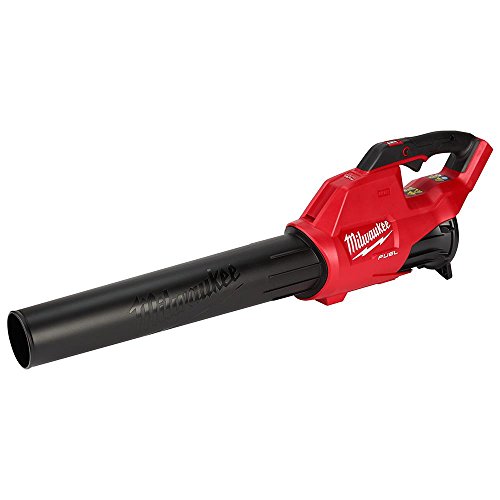
Milwaukee M18 FUEL Brushless Handheld Blower
Best for: Users with existing 18V battery systems
- Air Speed
- 120 MPH (what this guide is about)
- Voltage
- 18V
- Air Volume
- 450 CFM
- Motor Type
- Brushless
- Form Factor
- Handheld
- Included Battery
- Battery sold separately
View on Amazon: Milwaukee M18 FUEL Brushless Handheld Blower Affiliate link
This handheld blower delivers 120 MPH air speed and 450 CFM volume. It uses an 18V battery system with a brushless motor. The unit weighs 6.7 pounds and measures 23.5 inches long. You get a cordless tool designed for yard cleanup. Note that the battery is not included in the box.
Pros
- 120 MPH air speed
- 450 CFM air volume
- Brushless motor for efficiency
- Lightweight 6.7 pound build
Cons
- 120 MPH is slower than the 160 MPH option
- Battery sold separately
- Heavier than some compact competitors
Good fit if
- You already own Milwaukee 18V batteries
- You need moderate air volume for leaves
- You prefer a lightweight handheld tool
Skip if
- You need the maximum 160 MPH speed
- You do not have an 18V battery
- You want a heavier duty commercial unit
Verdict: Milwaukee M18 FUEL 120 MPH Blower fits users who already have the 18V battery ecosystem and need reliable 450 CFM airflow. It is a solid mid-range option for standard yard debris.

RYOBI 40V Brushless 650 CFM Blower
Best for: Heavy debris cleanup with existing batteries
- Air Speed
- 160 MPH (what this guide is about)
- Voltage
- 40V
- Air Volume
- 650 CFM
- Motor Type
- Brushless
- Included Battery
- Tool Only
- Power Source
- Cordless
View on Amazon: RYOBI 40V Brushless 650 CFM Blower Affiliate link
This RYOBI 40V HP Brushless Whisper Series blower delivers 160 MPH air speed and 650 CFM air volume. The brushless motor provides efficient power. It weighs 14.3 pounds and measures 39.6 inches in length. The listing is tool only, so you need a compatible battery. It suits users who need high air speed for heavy debris.
Pros
- 160 MPH air speed
- 650 CFM air volume
- Brushless motor
- 40V power system
Cons
- Tool only, battery not included
- Heavier at 14.3 pounds
- Longer at 39.6 inches
Good fit if
- You need high air speed for wet leaves
- You already own RYOBI 40V batteries
- You prefer brushless motor efficiency
Skip if
- You want a complete kit with battery
- You need a lighter tool under 14 pounds
- You prefer a shorter, more compact design
Verdict: RYOBI 40V HP 160 MPH Leaf Blower fits users with existing 40V batteries who prioritize maximum air speed and volume over portability. It is a powerful option for tough cleanup jobs.
Specifications side by side
| Spec | Milwaukee M18 FUEL Brushless Handheld Blower | RYOBI 40V Brushless 650 CFM Blower |
|---|---|---|
| Voltage | 18V | 40V |
| Air Volume | 450 CFM | 650 CFM |
| Air Speed | 120 MPH | 160 MPH |
| Motor Type | Brushless | Brushless |
| Form Factor | Handheld | not stated |
| Included Battery | Battery sold separately | Tool Only |
| Power Source | Cordless | Cordless |
| Dimensions | 23.5 × 11 × 7.5 inches | 39.6 × 11.5 × 11.2 inches |
| Weight | 6.7 pounds | 14.3 pounds |
| Color | Red/Black | not stated |
| Model | 2724-20 | not stated |
Frequently asked questions
Is 160 MPH air speed worth the extra weight?
Yes if you clear heavy debris. The RYOBI 40V model reaches 160 MPH but weighs 14.3 pounds. Its 650 CFM volume lifts wet leaves easily. The Milwaukee 120 MPH blower is lighter at 6.7 pounds. Choose the heavier unit for tough jobs and the lighter one for portability.
Which blower is better for small yards?
The Milwaukee M18 FUEL is better for small yards. It measures 23.5 inches long and weighs only 6.7 pounds. The 120 MPH air speed handles standard debris well. The RYOBI is larger and heavier, making it less maneuverable in tight spaces. It suits larger areas with more volume.
Do I need 650 CFM for leaf cleanup?
You need high CFM for wet or thick leaves. The RYOBI offers 650 CFM, which moves more air volume. This helps push heavy piles with less effort. The Milwaukee provides 450 CFM, which is sufficient for dry leaves and standard yard debris. Match the CFM to your debris type.
Can I use my existing batteries with these blowers?
Yes, if you have the right platform. The Milwaukee tool works with existing 18V batteries. The RYOBI model uses the 40V system. Both are sold as tool-only units in this comparison. You must purchase compatible batteries separately. Check your current battery voltage before buying.
What is the difference between MPH and CFM?
MPH measures air velocity, while CFM measures air volume. Higher MPH lifts debris faster. Higher CFM moves more debris at once. The RYOBI has both high MPH and high CFM. The Milwaukee has lower MPH and lower CFM. Use MPH for lift and CFM for volume.
Is a brushless motor necessary for cordless blowers?
Brushless motors offer reliable power delivery and longer life. Both the Milwaukee and RYOBI models feature brushless technology. This ensures consistent performance as the battery drains. It also reduces maintenance needs. You get efficient power from both units without carbon brush wear.
How does weight affect handheld operation?
Weight impacts comfort during extended use. The Milwaukee weighs 6.7 pounds, making it easy to hold. The RYOBI weighs 14.3 pounds, which can cause fatigue. Heavier units often provide more power. Lighter units offer better control. Choose based on how long you plan to operate the tool.