RYOBI vs Milwaukee: Leaf Blowers Compared by Specs
As an Amazon Associate we earn from qualifying purchases. Links on this page are affiliate links.
When you compare a RYOBI vs milwaukee leaf blower, you are looking at two distinct approaches to yard cleanup. Both units are handheld, cordless, and feature brushless motors for efficiency. The main difference lies in their power systems. The RYOBI model uses a 40V platform, delivering significantly higher air speed and volume. The Milwaukee option runs on an 18V system, offering a lighter, more compact tool for lighter tasks. Your choice depends on how much debris you need to move.
Key differences
| Aspect | Ryobi 40V Whisper Series 800 CFM Leaf Blower | Milwaukee M18 FUEL Brushless Handheld Blower |
|---|---|---|
| Voltage | 40V | 18V |
| Air Speed | 180 MPH | 120 MPH |
| Air Volume | 800 CFM | 450 CFM |
| Weight | 7 pounds | 6.7 pounds |
| Length | 10 inches | 23.5 inches |
Which one should you choose?
Choose Ryobi 40V Whisper Series 800 CFM Leaf Blower if
- You need to clear large piles of wet leaves or heavy debris.
- You already own RYOBI 40V batteries and want maximum blowing power.
- You prefer a shorter, more compact handle for maneuverability.
Choose Milwaukee M18 FUEL Brushless Handheld Blower if
- You already own Milwaukee M18 batteries and want to share power sources.
- You have a small yard with light, dry debris to clear.
- You want the lightest possible handheld option for extended use.
Verdict: The RYOBI 40V model is the better choice for heavy-duty yard work due to its superior air speed and volume. The Milwaukee 18V tool is suitable for light cleanup tasks and users already invested in the M18 ecosystem. Choose the RYOBI for power and the Milwaukee for lightness and battery compatibility.
RYOBI vs Milwaukee Leaf Blower Specs
Air speed and volume
The RYOBI 40V HP Brushless Whisper Series delivers 180 MPH air speed and 800 CFM air volume. This combination provides strong force for moving heavy or wet debris. The Milwaukee M18 FUEL offers 120 MPH air speed and 450 CFM air volume. While still effective for general cleanup, its lower numbers mean less raw power. You will notice a clear difference when clearing dense leaves or damp clippings. The RYOBI unit moves more air at higher velocity. This makes it better suited for tougher jobs. The Milwaukee is sufficient for light duty tasks on smaller lawns.
Voltage platform
Power source voltage significantly impacts performance. The RYOBI model operates on a 40V system. The Milwaukee uses an 18V M18 Lithium Ion battery platform. Higher voltage generally translates to more power for the motor. The 40V system allows the RYOBI to achieve its higher air speed and volume ratings. The 18V system is a standard for many tool users but limits peak output here. If you already own 18V batteries, the Milwaukee fits your ecosystem. If you prioritize maximum blowing power, the 40V platform provides a technical advantage.
Motor type
Both leaf blowers feature brushless motors. This is a positive spec for both products. Brushless motors offer better efficiency, longer run times, and increased durability compared to brushed motors. They do not have carbon brushes that wear out over time. You get consistent power delivery from both the RYOBI and Milwaukee units. This spec is a tie. Neither product has an advantage here. You can expect reliable performance and lower maintenance needs from either choice based on this feature alone.
Physical dimensions
Size affects maneuverability and storage. The RYOBI measures 14 inches wide, 24 inches high, and 10 inches long. The Milwaukee is 11 inches wide, 7.5 inches high, and 23.5 inches long. The RYOBI is wider and taller. The Milwaukee is significantly shorter in height, which may make it easier to store in tight spaces or handle in low-clearance areas. The length is similar, with the RYOBI being slightly longer. You should consider your storage constraints. The Milwaukee’s compact height could be a practical benefit for some users.
Weight
Weight influences user fatigue during extended use. The RYOBI weighs 7 pounds. The Milwaukee weighs 6.7 pounds. Both are handheld units, so weight distribution matters. The Milwaukee is slightly lighter by 0.3 pounds. This difference is minimal but may be noticeable over long periods of blowing. You might prefer the lighter Milwaukee for all-day jobs. The RYOBI is still reasonably light for its higher power output. This spec is nearly a tie, with a very slight edge to the Milwaukee for pure weight reduction.
Included battery
Battery inclusion affects initial setup and cost. The RYOBI is sold as a tool only. It does not include a battery. The Milwaukee is also sold with the battery sold separately. Both require you to purchase a compatible battery and charger if you do not already own one. This is a tie. You must check your existing battery inventory for either brand. If you have 40V RYOBI batteries, the RYOBI is ready to use. If you have M18 batteries, the Milwaukee is ready. Neither offers a complete out-of-the-box solution without additional purchases.
Choose the Right Leaf Blower
Heavy debris cleanup needs
You need maximum power for wet leaves and thick piles. This RYOBI model delivers 180 MPH air speed and 800 CFM volume. The higher voltage platform and larger air volume provide the force required to move heavy debris quickly. It is the better choice for tough yard work.
Light duty and portability
You prefer a lighter tool for sidewalks and patios. This Milwaukee blower weighs 6.7 pounds and is more compact. It offers 120 MPH air speed and 450 CFM volume, which is sufficient for light dust and dry leaves. The smaller size reduces fatigue during extended use on smaller tasks.
Existing Milwaukee tool users
You already own Milwaukee M18 batteries and want to add a blower to your collection. This unit fits into that ecosystem, allowing you to share power sources across tools. It features a brushless motor for efficiency. It is a practical addition if you are already invested in the 18V platform.
The products compared

Ryobi 40V Whisper Series 800 CFM Leaf Blower
Best for: Clearing heavy debris with high airflow
- Voltage
- 40V
- Air Volume
- 800 CFM
- Air Speed
- 180 MPH
- Motor Type
- Brushless
- Functions
- Blower only
- Form Factor
- Handheld
View on Amazon: Ryobi 40V Whisper Series 800 CFM Leaf Blower Affiliate link
This handheld blower delivers 180 MPH air speed and 800 CFM air volume. It uses a 40V brushless motor for efficient power. The unit weighs 7 pounds and measures 24 inches tall. It is sold as a tool only, so you need a compatible battery. This setup suits users who want high airflow and speed in a manageable handheld form.
Pros
- 180 MPH air speed
- 800 CFM air volume
- 40V brushless motor
- 7 pound weight
Cons
- Sold as tool only without battery
- Blower only function lacks vacuum mode
- No variable speed trigger listed in specs
Good fit if
- You already own Ryobi 40V batteries
- You need high airflow for heavy debris
- You prefer a lightweight handheld design
Skip if
- You do not have a compatible battery
- You want a vacuum or mulch function
- You need a variable speed control setting
Verdict: Ryobi 40V HP Whisper Leaf Blower offers strong 800 CFM and 180 MPH performance for users with existing 40V batteries. It is a solid choice for clearing large yards quickly.
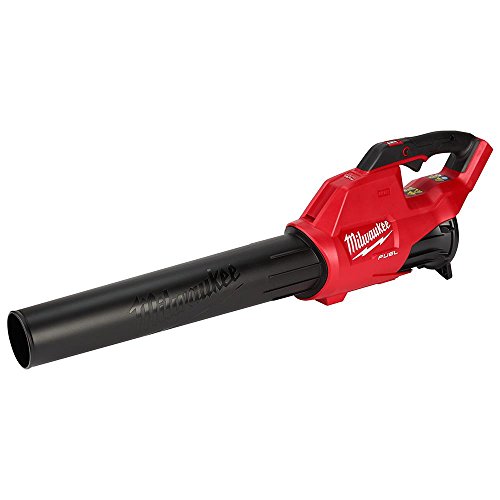
Milwaukee M18 FUEL Brushless Handheld Blower
Best for: users with existing M18 batteries
- Voltage
- 18V
- Air Volume
- 450 CFM
- Air Speed
- 120 MPH
- Motor Type
- Brushless
- Form Factor
- Handheld
- Included Battery
- Battery sold separately
View on Amazon: Milwaukee M18 FUEL Brushless Handheld Blower Affiliate link
This handheld blower delivers 120 MPH air speed and 450 CFM air volume. It uses an 18-volt brushless motor for efficient power. The unit weighs 6.7 pounds and measures 23.5 inches long. You need to buy the battery separately. It suits users who want a lightweight tool for moderate debris clearing.
Pros
- Brushless motor for longer runtime
- 120 MPH air speed
- 450 CFM air volume
- Lightweight at 6.7 pounds
Cons
- Battery sold separately
- Lower air volume than the 800 CFM competitor
- Lower air speed than the 180 MPH competitor
Good fit if
- You already own Milwaukee M18 batteries
- You prefer a lighter handheld tool
- You need moderate air speed for dry leaves
Skip if
- You want a battery included in the box
- You need maximum air volume for wet debris
- You require the highest possible air speed
Verdict: Milwaukee M18 FUEL 120 MPH Blower fits users who prioritize weight savings and already have 18-volt batteries. It offers balanced performance for standard yard cleanup tasks.
Specifications side by side
| Spec | Ryobi 40V Whisper Series 800 CFM Leaf Blower | Milwaukee M18 FUEL Brushless Handheld Blower |
|---|---|---|
| Voltage | 40V | 18V |
| Air Volume | 800 CFM | 450 CFM |
| Air Speed | 180 MPH | 120 MPH |
| Motor Type | Brushless | Brushless |
| Functions | Blower only | not stated |
| Form Factor | Handheld | Handheld |
| Included Battery | Tool only | Battery sold separately |
| Power Source | Cordless | Cordless |
| Dimensions | 10 × 14 × 24 inches | 23.5 × 11 × 7.5 inches |
| Weight | 7 pounds | 6.7 pounds |
| Color | Green and Black | Red/Black |
| Model | RY40HPLB01 | 2724-20 |
Frequently asked questions
Which leaf blower is lighter to carry?
The Milwaukee M18 FUEL is slightly lighter. It weighs 6.7 pounds. The RYOBI 40V Whisper Series weighs 7 pounds. The difference is small, but Milwaukee has the edge if you plan to hold the tool for long periods. Both are handheld designs meant for maneuverability around your yard.
Does either model come with a battery included?
Neither model includes a battery in this specific listing. The RYOBI unit is listed as tool only. The Milwaukee listing does not mention an included battery either. You will need to use an existing battery from your respective brand's platform or purchase one separately to operate either blower.
Which blower has a higher air speed?
The RYOBI 40V Whisper Series has the higher air speed. It reaches 180 MPH. The Milwaukee M18 FUEL reaches 120 MPH. Higher air speed helps dislodge debris stuck to surfaces. You should choose RYOBI if you need to blow leaves off grass or tight corners with force.
What is the main difference in motor type?
Both leaf blowers use brushless motors. This is a shared specification for both the RYOBI and Milwaukee models. Brushless motors generally offer better efficiency and longer life than brushed motors. You get this benefit regardless of which brand you select for your yard cleanup tasks.
Which platform offers more voltage for power?
The RYOBI platform offers higher voltage. It uses a 40V system. The Milwaukee system uses an 18V platform. Higher voltage often translates to more sustained power for demanding tasks. If you already own 40V batteries, the RYOBI model integrates directly into that ecosystem for consistent performance.
Are both blowers cordless?
Yes, both units are cordless. This means you can move freely without a power cord getting in the way. You are limited only by your battery life. This feature allows you to tackle large yards or multiple areas without returning to an outlet or extension cord.